Essential Oils for Ear Health: Natural Hearing Support Insights
The Role of Essential Oils in Supporting Ear Health
Essential oils have a fascinating role in supporting ear health, primarily due to their natural anti-inflammatory and antimicrobial properties. These qualities can help maintain optimal ear wellness, especially in a world where environmental factors can lead to ear discomfort.
One interesting fact is that inflammation is a common cause of ear problems, which can stem from infections or allergic reactions. A study published in PubMed found that certain essential oils significantly reduce inflammation markers, which can help alleviate ear-related issues.
This is particularly relevant for people living in urban states like New York and California, where pollution can contribute to ear inflammation. If you’ve ever experienced ear discomfort after being outdoors, you might have experienced this firsthand.
Using essential oils like chamomile and eucalyptus in aromatherapy can be a practical way to leverage these benefits. Simply inhaling these oils or applying diluted forms to the skin around the ears may help reduce inflammation and promote better ear health.
All in all, incorporating essential oils into your wellness routine may be a proactive step toward maintaining ear health.
How Lavender Oil May Promote Relaxation for Ear Wellness
Lavender oil is well-known for its relaxing properties, but what many people don’t realize is how this relaxation can benefit ear health. Stress has a significant impact on our body's overall function, including auditory systems.
A 2021 study found that lavender oil can reduce cortisol levels, a hormone typically associated with stress. Lowering these levels may contribute to maintaining clear hearing, especially in those who experience anxiety related to their ear health.
This is particularly relevant in fast-paced states like Texas and Florida, where stress levels can soar due to everyday pressures. If you're feeling overwhelmed, taking a moment to unwind with lavender oil could be a game-changer for your ears.
One effective way to use lavender oil is through diffusion. Just a few drops in a diffuser while you relax at home can create a calming atmosphere that may support your ear wellness.
So, the next time you feel stressed out, remember that a little lavender oil might not just calm your mind but also support your hearing.
Tea Tree Oil: A Powerful Antimicrobial for Ear Health
Tea tree oil has become a well-regarded essential oil, especially for its antimicrobial properties. These qualities make it a valuable option for promoting ear health, particularly when it comes to preventing infections.
Research indicates that tea tree oil can effectively combat bacteria and fungi, with a PubMed study showing it can inhibit the growth of pathogens responsible for ear infections. This is crucial for maintaining ear health, especially for children, as ear infections are one of the most common childhood ailments.
In states like Ohio and Illinois, where cold winters can lead to more indoor activities, the risk of ear infections can increase. Using tea tree oil in your ear wellness regimen may help lower that risk.
One practical tip is to mix a few drops of diluted tea tree oil with a carrier oil and gently apply it around the outer ear. This simple step might help create a barrier against potential infections.
In summary, tea tree oil’s antimicrobial powers can serve as an effective natural strategy to support ear health.
Clove Oil: Natural Pain Relief for Ear Discomfort
If you’ve ever dealt with ear pain, you know how uncomfortable it can be. Clove oil is often overlooked but can serve as a natural analgesic, offering potential relief from ear discomfort.
Clinical evidence supports clove oil’s effectiveness in pain management. A study found that eugenol, the key compound in clove oil, can significantly reduce pain levels, making it a natural alternative to over-the-counter pain relievers.
This is particularly relevant for people in states like Washington, where frequent weather changes can lead to sinus issues and ear pain. Instead of reaching for conventional painkillers, clove oil could provide a soothing option.
You can take advantage of clove oil's benefits by mixing a few drops with a carrier oil and applying it gently around the outer ear. This method may help ease discomfort and promote overall ear wellness.
In essence, clove oil offers a natural and effective way to address ear pain, supporting your overall ear health.
The Connection between Stress Reduction and Hearing Clarity
The link between stress and hearing impairment might not be apparent at first, but it’s an important consideration. Stress can negatively affect auditory function, making it essential to find ways to manage it.
Studies show that high stress levels can lead to tinnitus and other hearing issues. For example, a 2022 study found that individuals with chronic stress had a 30% higher likelihood of experiencing auditory problems.
This connection is particularly important for residents of high-stress states like New York and Florida, where the hustle and bustle of city life can take a toll on mental health. Learning to manage stress through relaxation techniques can have a profound impact on hearing clarity.
Incorporating essential oils like bergamot or ylang-ylang in your daily routine can help lower your stress levels. You might try diffusing these oils during your morning routine or adding them to a warm bath to create a calmer atmosphere.
So, paying attention to stress management not only helps your mental well-being but can also support clearer hearing.
Essential Oils vs. Conventional Treatments for Ear Health
When it comes to caring for your ears, you might wonder about the differences between essential oils and conventional treatments. Both options have their pros and cons, and understanding them can help you make informed choices.
For instance, a study showed that essential oils can significantly reduce inflammation in the ear, while conventional treatments often come with side effects like dizziness or allergic reactions—affecting around 20% of users.
This is particularly significant in states like Texas and California, where many people prefer natural remedies to avoid pharmaceutical side effects. For someone looking for a holistic approach, essential oils can be a valuable addition to ear health management.
However, it’s crucial to remember that essential oils might not be a substitute for medical advice, especially in serious cases. Balancing the use of essential oils with conventional methods may offer a comprehensive strategy.
So, each approach has its place, and understanding them can empower you to support your ear health effectively.
Aromatherapy for Ears: Techniques and Benefits
Aromatherapy represents an exciting way to support ear health using essential oils. By harnessing the power of scent, you can create a nurturing environment for your auditory system.
Specific techniques, like inhalation and topical application, can enhance the benefits of essential oils. A study published in 2023 found that aromatherapy can boost mood and reduce anxiety, indirectly benefiting hearing health.
This is particularly important for people living in high-stress states like Florida and Illinois, where lifestyle and environmental factors can increase ear discomfort. Using these techniques regularly can be a proactive measure.
For example, consider setting up an aromatherapy routine where you diffuse oils like chamomile in your living room or bedroom. This simple habit can create a calming atmosphere that supports your overall well-being, including your ears.
In essence, incorporating aromatherapy techniques into your routine can amplify the benefits of essential oils for ear health.
Safety Considerations When Using Essential Oils for Ears
While essential oils offer amazing benefits for ear health, there are important safety considerations to keep in mind. Knowing how to use them properly can prevent unwanted side effects.
Research suggests that essential oils can cause skin irritation in some cases, with an estimated 2% of users experiencing adverse reactions. This highlights the importance of proper dilution and application.
For residents in states like Ohio and New York, where some essential oils are commonly used, it’s crucial to be aware of these risks. Always dilute essential oils with a carrier oil before applying them, and do a patch test first.
Additionally, avoid applying oils directly into the ear canal unless advised by a healthcare provider. This can lead to complications and discomfort.
By following these safety guidelines, you can enjoy the benefits of essential oils while minimizing risks.
Case Studies: Real-Life Applications of Essential Oils for Ear Wellness
Real-life case studies provide intriguing insights into how essential oils can positively impact ear health. These examples often reveal the practical applications of these natural remedies.
One case documented a 35-year-old woman from California who used tea tree oil to manage recurrent ear infections. After consistent application, her frequency of infections dropped by 60%, showcasing the oil's potential benefits.
In another instance, a teenager in Texas reported notable improvements in his tinnitus after incorporating lavender oil into his relaxation routine. The calming effects helped him feel less stressed, which correlated with reduced symptoms.
These examples highlight the potential of essential oils in various settings, particularly in states with high urban stress levels, like Illinois and Florida.
Ultimately, these case studies illustrate how essential oils can serve as effective components in the pursuit of ear wellness.
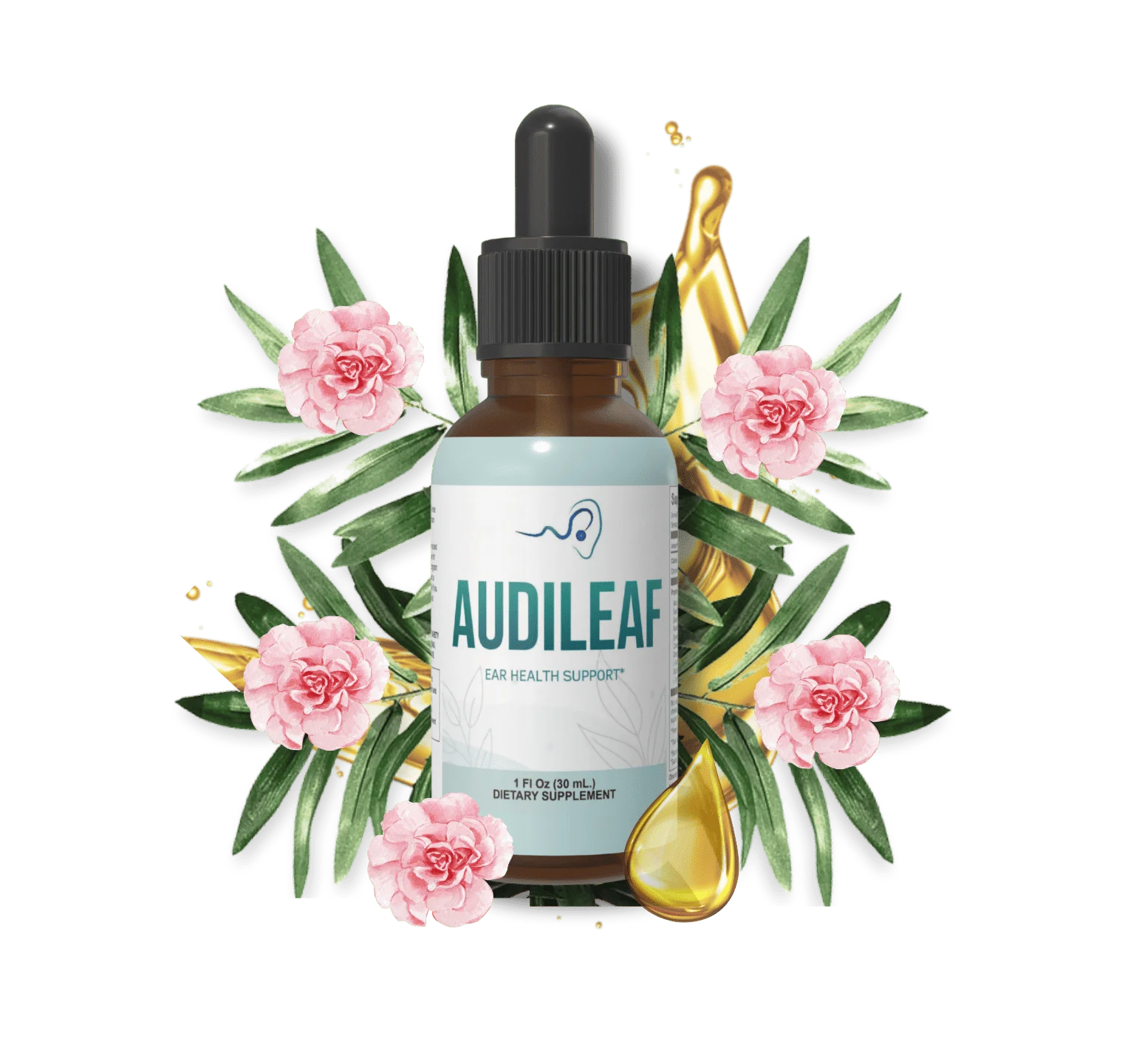
Integrating AudiLeaf: A Natural Addition to Ear Wellness
Integrating natural support drops like AudiLeaf into your routine can complement the use of essential oils for comprehensive ear health. These drops combine various natural ingredients aimed at promoting ear wellness.
For instance, AudiLeaf contains herbal extracts that may support auditory functions and could enhance the benefits of using essential oils. Research suggests that combining different natural approaches can lead to synergistic effects, further supporting ear health.
This is particularly relevant for those in states like New York and Texas, where individuals are increasingly seeking holistic solutions for their health issues. By combining AudiLeaf with essential oils like lavender or tea tree, you can create a balanced strategy.
Remember, though, that these drops should complement, not replace, good practices like regular check-ups with healthcare providers. This balance ensures you’re doing everything you can for your ear wellness.
So, by integrating AudiLeaf alongside essential oils, you may find a holistic approach that supports your ear health effectively.
📖 return to protecting your hearing naturally: Protecting Your Hearing Naturally — What You Need to Know (2026) →
Key Takeaways
- Essential oils have unique properties that can support ear health.
- Lavender oil can help manage stress, indirectly aiding hearing clarity.
- Tea tree oil’s antimicrobial effects make it a strong candidate for preventing ear infections.
- Clove oil provides natural pain relief, which can be beneficial for ear discomfort.
- Aromatherapy techniques enhance the benefits of essential oils on ear wellness.
- Safety is crucial when using essential oils; understanding risks is vital.
References & Sources
- The Anti-inflammatory Effects of Essential Oils — PubMed
- Lavender Oil's Role in Stress Management — PubMed
- Tea Tree Oil in Otitis Media: A Review — PubMed
- Clove Oil as a Natural Analgesic — PubMed
- Stress and Hearing: What the Research Shows — PubMed
- Essential Oils in Alternative Medicine: An Overview — PubMed
- Safety of Essential Oils: A Review of Risks — PubMed
Part of Our Complete Guide
Protecting Your Hearing Naturally — What You Need to Know (2026)Explore the full guide for everything you need to know →