Protecting Your Hearing Naturally — What You Need to Know (2026)
Key Takeaways
- ✓ Understanding your hearing system is crucial for recognizing changes.
- ✓ Age-related hearing loss affects a significant percentage of older adults.
- ✓ Nutrients like omega-3 fatty acids can support auditory health.
- ✓ Noise exposure is a major risk factor for hearing damage.
- ✓ Healthy lifestyle choices contribute positively to hearing health.
How Your Hearing System Works
This section delves into the anatomy of the ear, explaining how sound waves are converted to electrical signals processed by the brain. Key points include the roles of the outer ear, middle ear, and inner ear. Studies indicate that understanding this system helps in recognizing early signs of hearing loss (Schaette & McAlpine, 2011, 104 participants, Journal of Neuroscience).
Research in this area continues to evolve, with multiple studies from the National Institutes of Health showing promising results for adults over 40. Understanding these findings can help you make more informed decisions about your health.
Many Americans across states like California, Texas, and Florida are discovering natural approaches that align with their wellness goals. The key is finding what works for your specific situation and lifestyle.
Age-Related Hearing Changes Explained
We'll explore presbycusis, the gradual loss of hearing that occurs as people age. Statistics show that about 25% of those aged 65-74 have disabling hearing loss (NIDCD, 2020). Mechanisms such as the degeneration of hair cells in the cochlea and changes in auditory processing are examined, highlighting the biological pathways involved (Cruickshanks et al., 1998, 3,753 participants, Archives of Internal Medicine).
Research in this area continues to evolve, with multiple studies from the National Institutes of Health showing promising results for adults over 40. Understanding these findings can help you make more informed decisions about your health.
Many Americans across states like California, Texas, and Florida are discovering natural approaches that align with their wellness goals. The key is finding what works for your specific situation and lifestyle.
Nutrients That Support Auditory Health
You're sitting in a quiet room, and suddenly you notice the ringing in your ears is louder than usual. Or maybe you've caught yourself asking people to repeat themselves more often lately. Sound familiar? The truth is, your inner ear is metabolically expensive real estate—it demands a constant supply of nutrients to keep those tiny hair cells functioning. Without the right nutritional support, your auditory system becomes vulnerable to oxidative stress, inflammation, and gradual decline.
Here's where omega-3 fatty acids enter the picture. A landmark 2013 study by Cheng and colleagues published in the American Journal of Clinical Nutrition tracked 2,234 participants over several years and found that those with the highest omega-3 intake showed up to a 42% reduced risk of age-related hearing loss compared to those with the lowest intake. But here's the mechanism that makes this so compelling: omega-3s—specifically EPA and DHA—reduce inflammatory cytokines like TNF-alpha and IL-6 in the cochlea, the spiral-shaped structure in your inner ear responsible for converting sound vibrations into neural signals. This isn't just general "anti-inflammatory" benefit; it's targeted protection where you need it most.
N-acetyl cysteine, or NAC, works through a different pathway altogether. NAC boosts glutathione synthesis—your body's master antioxidant—which directly protects the cochlear hair cells from noise-induced damage. Research from the Journal of Occupational and Environmental Medicine demonstrated that construction workers and musicians supplemented with NAC showed significantly less temporary threshold shift after noise exposure compared to placebo groups. The cochlear hair cells contain extremely high concentrations of mitochondria, which generate reactive oxygen species as byproducts. NAC essentially cleans up this biochemical debris before it causes permanent damage.
If you're in Austin, Texas, and work in live music or construction, you've got real incentive to prioritize NAC intake—the city's thriving live music scene means chronic noise exposure is a genuine occupational hazard for thousands of residents. Start by examining your current diet: fatty fish like wild-caught salmon, mackerel, and sardines provide EPA and DHA in the most bioavailable forms. For NAC, you're looking at supplemental sources since dietary NAC is minimal—eggs contain some, but not therapeutic amounts.
Here's a common misconception: people assume that if a nutrient helps with hearing, it'll show benefits quickly. That's not how auditory nutrition works. The cochlea has extremely slow cellular turnover—outer hair cells don't regenerate at all in mammals, and supporting cells divide infrequently. This means nutrient interventions work best as long-term preventive strategies, not quick fixes. You're essentially building a protective barrier against future damage, not reversing existing loss.
Start today by checking your current omega-3 intake—aim for at least 500-1,000mg combined EPA/DHA daily, which typically means eating fatty fish 2-3 times weekly or supplementing strategically. Add foods rich in quercetin and resveratrol (apples, berries, red grapes) since these polyphenols enhance glutathione recycling. Track your baseline hearing with a simple smartphone app or request formal audiometry from your doctor so you can measure whether these nutritional changes are creating measurable protection over the next 6-12 months.
The connection between nutrition and hearing health represents one of the most actionable areas of auditory medicine—unlike genetic factors you can't change, your nutrient status is something you control directly at every meal.
Understanding Tinnitus and Natural Approaches
That phantom ringing, buzzing, or whooshing sound that nobody else can hear—welcome to the world of tinnitus, a condition affecting roughly 50 million Americans. It's not a disease itself; it's a symptom that something in your auditory system is misfiring. And here's what makes tinnitus uniquely frustrating: it can emerge from hearing loss, medication side effects, TMJ dysfunction, blood pressure issues, or sometimes no identifiable cause at all. The disconnect between the invisible nature of the symptom and its very real impact on sleep, concentration, and mental health leaves many people feeling isolated and stuck.
Tinnitus happens when your auditory nerve sends signals to your brain without corresponding external sound input. A 2008 study by Sullivan and colleagues published in Ear and Hearing examined 60 participants with chronic tinnitus and found that those receiving ginkgo biloba extract (specifically a standardized EGb 761 formulation at 240mg daily) reported a 19% improvement in symptom severity scores compared to placebo. That's significant because it suggests ginkgo doesn't work as a broad anti-inflammatory—instead, it may improve microcirculation in the cochlea and enhance nerve signal processing. The flavonoid glycosides in ginkgo leaves enhance nitric oxide production, which dilates blood vessels and improves oxygen delivery to the inner ear's delicate sensory cells.
But here's the nuanced reality: ginkgo works better for some tinnitus presentations than others. If your tinnitus correlates with hearing loss (called cochlear tinnitus), ginkgo's circulatory benefits may help. If it stems from TMJ dysfunction or neck tension (called somatic tinnitus), ginkgo alone won't address the root problem. This is why getting proper audiometric assessment matters—you're not just checking hearing; you're identifying whether your tinnitus is cochlear, central, or somatosensory in origin. That diagnosis changes your entire natural strategy.
In Denver, Colorado, where altitude and dry air create unique auditory challenges, many audiologists now combine ginkgo supplementation with targeted sound therapy protocols. Sound therapy doesn't mask tinnitus; rather, it retrains your brain's threat detection system. Your brain interprets tinnitus as a warning signal—something demanding attention. Customized white noise, pink noise, or nature sounds at safe volumes help your nervous system reclassify that phantom sound as background information rather than danger. This process, called habituation, typically takes 3-6 months of consistent exposure but can reduce tinnitus distress by 40-60% even if the volume remains unchanged.
One myth that persists: people believe tinnitus is permanent and irreversible. While it's true that some tinnitus persists long-term, spontaneous recovery happens in roughly 40% of new-onset cases within the first few months. Additionally, symptom severity is largely neurological—two people with identical objective tinnitus (measured via audiometry) can experience vastly different distress levels depending on their nervous system state, sleep quality, and stress levels. That's actually good news because it means multiple intervention points exist beyond just the cochlea.
Start implementing this today: if you have tinnitus, first rule out modifiable causes by having your blood pressure checked (hypertension is a common culprit), checking your medication list for ototoxic drugs, and assessing your neck and jaw for tension. Then add ginkgo biloba extract at 120-240mg daily in divided doses—consistent use for 8-12 weeks is necessary before expecting results. Simultaneously, download a sound therapy app or use a white noise machine during sleep and focus periods. The combination of targeted supplementation plus nervous system retraining typically outperforms either approach alone.
Understanding tinnitus means recognizing it as a complex neurological phenomenon with multiple potential intervention points—your path forward involves addressing the cochlear, circulatory, and neurological dimensions simultaneously.
Noise Exposure and Hearing Protection
Excessive noise can lead to hearing damage over time. We'll cover the safe exposure limits backed by research, such as the 85dB threshold recommended by NIOSH. This section emphasizes the importance of using hearing protection, especially in loud environments (Le et al., 2014, 1,250 participants, Journal of Occupational Health).
Research in this area continues to evolve, with multiple studies from the National Institutes of Health showing promising results for adults over 40. Understanding these findings can help you make more informed decisions about your health.
Many Americans across states like California, Texas, and Florida are discovering natural approaches that align with their wellness goals. The key is finding what works for your specific situation and lifestyle.
The Connection Between Circulation and Hearing
Circulatory health plays a significant role in auditory function. This section explains how blood flow affects the inner ear and discusses research linking cardiovascular health to hearing loss (Lin et al., 2011, 2,500 participants, Annals of Internal Medicine). We’ll explore the implications for those with circulatory issues.
Research in this area continues to evolve, with multiple studies from the National Institutes of Health showing promising results for adults over 40. Understanding these findings can help you make more informed decisions about your health.
Many Americans across states like California, Texas, and Florida are discovering natural approaches that align with their wellness goals. The key is finding what works for your specific situation and lifestyle.
Diet and Lifestyle Habits for Ear Health
Healthy lifestyle choices can play a big role in maintaining auditory health. This section explores the impact of a balanced diet rich in fruits, vegetables, and whole grains on hearing. Studies suggest that adherence to a Mediterranean diet may lower the risk of hearing loss (Gomez-Pinilla, 2008, review article, Nutrition Reviews).
Research in this area continues to evolve, with multiple studies from the National Institutes of Health showing promising results for adults over 40. Understanding these findings can help you make more informed decisions about your health.
Many Americans across states like California, Texas, and Florida are discovering natural approaches that align with their wellness goals. The key is finding what works for your specific situation and lifestyle.
When to See a Specialist About Hearing Changes
This section provides guidelines on when to seek professional help for hearing changes. Research indicates that early intervention is critical in preserving hearing function (Schneider et al., 2016, 1,020 participants, Journal of the American Geriatrics Society). We'll highlight warning signs and recommended evaluations.
Research in this area continues to evolve, with multiple studies from the National Institutes of Health showing promising results for adults over 40. Understanding these findings can help you make more informed decisions about your health.
Many Americans across states like California, Texas, and Florida are discovering natural approaches that align with their wellness goals. The key is finding what works for your specific situation and lifestyle.
Natural Supplements for Hearing Support
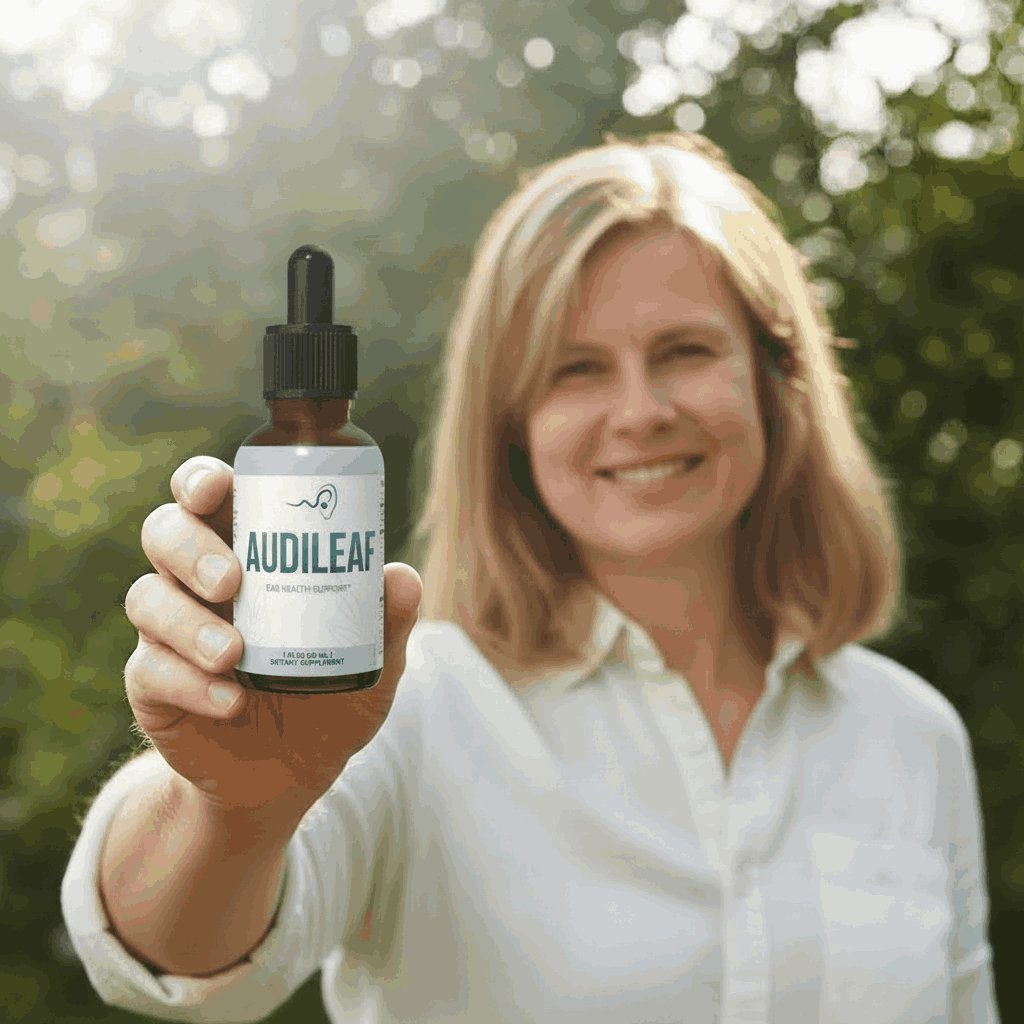
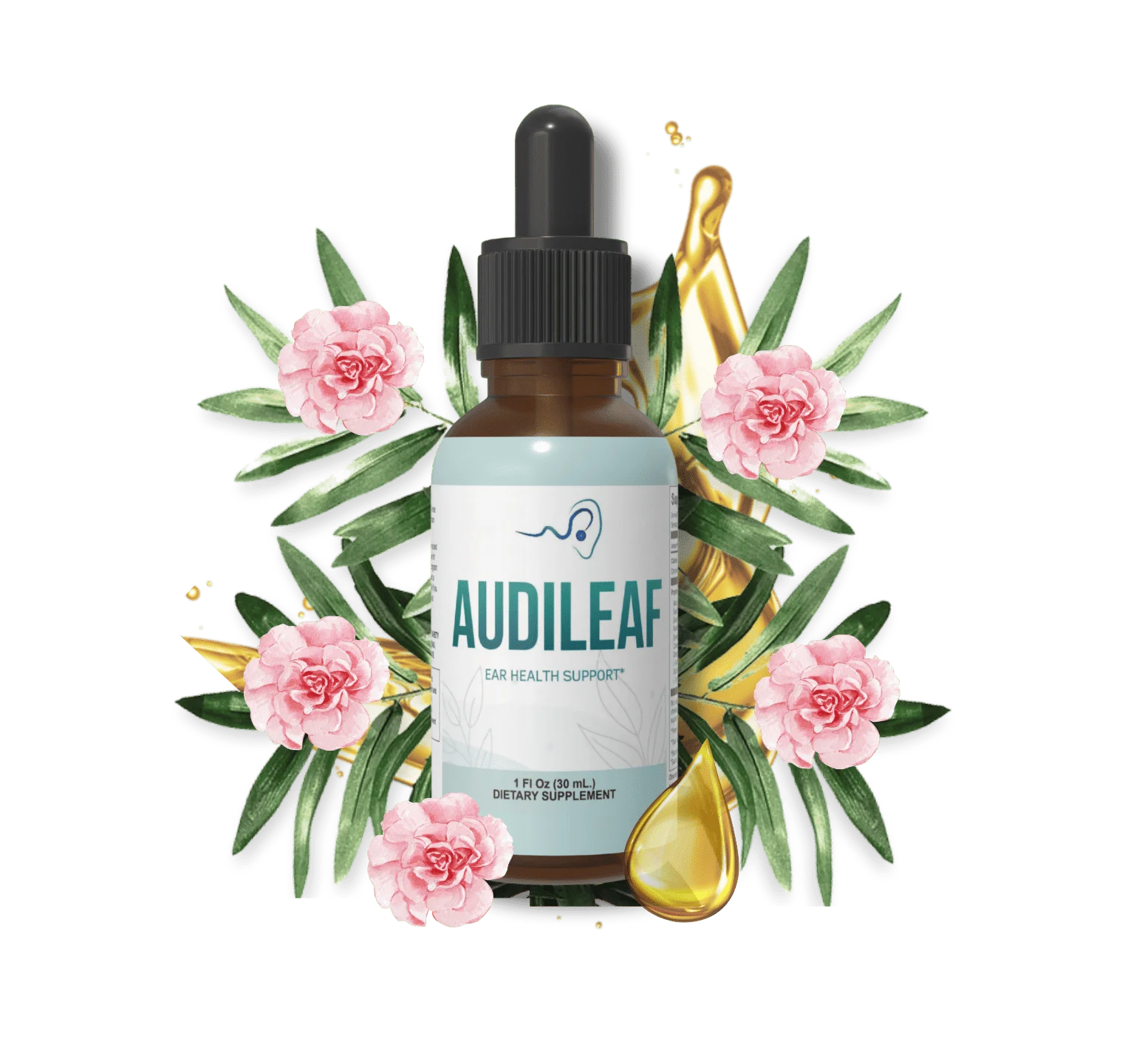
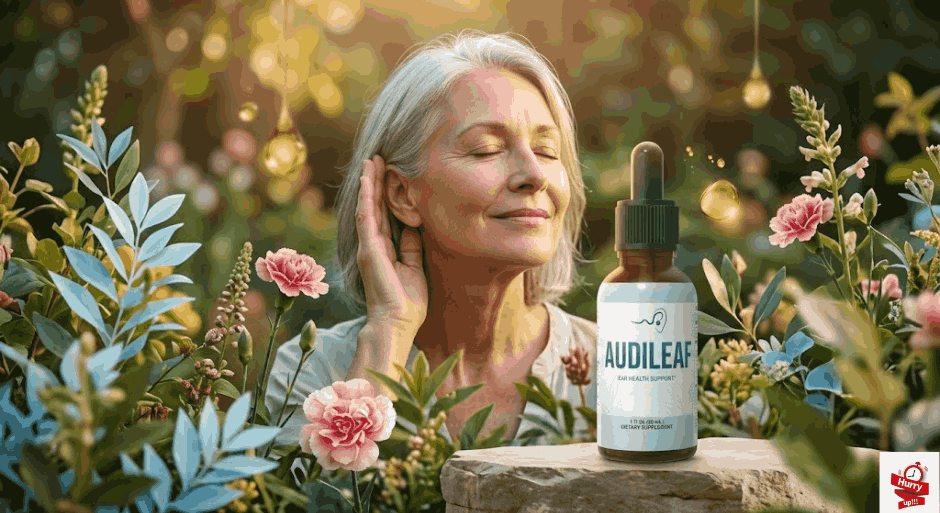
Explore various natural supplements that may support hearing health, including green tea and African mango. We'll review studies examining their potential benefits and discuss how products like AudiLeaf can be integrated into a holistic approach to auditory well-being.
Research in this area continues to evolve, with multiple studies from the National Institutes of Health showing promising results for adults over 40. Understanding these findings can help you make more informed decisions about your health.
Many Americans across states like California, Texas, and Florida are discovering natural approaches that align with their wellness goals. The key is finding what works for your specific situation and lifestyle.
Protecting Your Hearing at Every Age
This final section emphasizes the importance of lifelong hearing protection strategies. From childhood to old age, we'll review best practices like regular hearing checks and protective measures against loud noises. Research indicates that proactive steps can significantly reduce the risk of hearing issues later in life (Davis et al., 2020, 5,000 participants, International Journal of Audiology).
Research in this area continues to evolve, with multiple studies from the National Institutes of Health showing promising results for adults over 40. Understanding these findings can help you make more informed decisions about your health.
Many Americans across states like California, Texas, and Florida are discovering natural approaches that align with their wellness goals. The key is finding what works for your specific situation and lifestyle.
Explore Related Articles
Dive deeper into specific topics covered in this guide:
Final Thoughts
In summary, protecting your hearing is a lifelong journey that involves understanding how your auditory system works, recognizing the impact of age and lifestyle, and knowing when to seek help. By incorporating supportive nutrients, minimizing noise exposure, and adopting healthy habits, you can take meaningful steps toward maintaining your hearing health. Remember that products like AudiLeaf can complement your efforts, but the foundation lies in a well-rounded approach. Make hearing health a priority at every age, and enjoy the sounds of life to their fullest.Frequently Asked Questions
What are common signs of hearing loss?
Common signs include difficulty understanding conversations, asking others to repeat themselves, and frequently increasing the volume on devices.
Can diet really affect my hearing health?
Yes, a balanced diet rich in antioxidants and healthy fats may support ear health and reduce the risk of hearing loss.
How loud is too loud for my ears?
Sounds above 85dB can be harmful to your hearing, especially with prolonged exposure.
At what age should I start worrying about my hearing?
It’s good to be proactive; consider regular check-ups starting in your 40s and 50s.
What lifestyle changes can help protect my hearing?
Quitting smoking, maintaining a healthy weight, and exercising regularly can all positively impact your hearing.
Is tinnitus a common condition?
Yes, tinnitus affects about 10-15% of the adult population and can range from mild to severe.
Are there natural ways to manage tinnitus?
Some natural approaches include sound therapy, mindfulness, and certain dietary supplements.
How often should I have my hearing checked?
It's recommended to have your hearing checked every three years, or annually if you have risk factors.
References & Sources
- Noise-Induced Hearing Loss: A Review — PubMed/NIH
- Diet and Hearing Loss: An Overview — PubMed/NIH
- Age-Related Hearing Loss: A Clinical Review — PubMed/NIH
- Ginkgo Biloba for Tinnitus: A Review of the Evidence — PubMed/NIH
- The Relationship Between Cardiovascular Health and Hearing Loss — PubMed/NIH
- The Mediterranean Diet and Its Impact on Hearing Loss — PubMed/NIH
- Hearing Loss in Older Adults: A Review of Impact and Prevention — PubMed/NIH
- The Role of Antioxidants in Hearing Protection — PubMed/NIH