Natural Ingredients for Hearing Health: How They Support Wellness
The Role of Antioxidants in Ear Health: A Focus on Polyphenols
Look, if you're worried about your hearing, you might want to pay attention to antioxidants. They play a crucial role in protecting your auditory cells from oxidative stress caused by free radicals. Imagine these free radicals as tiny troublemakers that can wreak havoc on your cells, leading to age-related hearing loss.
One interesting component in the antioxidant world is polyphenols. Research suggests that these compounds, found in foods like berries and green tea, can significantly impact hearing health. In fact, a study published in PubMed highlighted that individuals with higher polyphenol intake had better auditory function.
You might be thinking, "What does this mean for me?" Well, if you live in California or Florida, incorporating more polyphenol-rich foods into your diet could support your ear health, especially as you age. A simple berry smoothie or a cup of green tea could make a difference!
The key takeaway here is that antioxidants, particularly polyphenols, can help shield your ears from damage. So next time you're looking for a healthy snack, remember to reach for those antioxidant-rich foods.
Essential Fatty Acids: Omega-3's Contribution to Hearing Function
But let’s talk about something that might surprise you: Omega-3 fatty acids. These essential fats are more than just a trendy health topic; they’ve got some serious benefits for hearing function. They're known to support brain health, but recent studies indicate they may play a role in preventing age-related hearing loss too.
A clinical study involving over 600 adults found a direct correlation between Omega-3 intake and improved hearing capabilities. Participants who consumed higher levels of Omega-3s exhibited significantly better auditory function compared to those who didn't.
So what’s your best source? If you're in Texas or Washington, you might want to load up on fatty fish like salmon and sardines. These foods are not only delicious but could also be a tasty way to help maintain your hearing as you age.
The bottom line? Omega-3 fatty acids can be a game-changer for your auditory health. Don't overlook this powerhouse nutrient!
The Impact of Zinc on Auditory Health: What Studies Show
Have you ever considered how zinc affects your hearing? It’s not just another mineral; zinc plays a vital role in cell regeneration and immune function, both of which are crucial for keeping your ears healthy. The body requires zinc for the proper functioning of auditory cells, and without it, you might experience some issues.
A PubMed study found that individuals with lower zinc levels showed diminished auditory abilities. In fact, the study emphasized that supplementing zinc could improve hearing in those who were deficient.
If you’re in Illinois or New York, you can easily incorporate zinc-rich foods into your diet, like beans, nuts, and whole grains. It’s a simple way to boost your auditory health without a lot of effort.
In summary, don’t underestimate zinc. This mineral could be a crucial player in your hearing wellness, so make sure you’re getting enough!
Magnesium Deficiency: A Hidden Cause of Hearing Loss
Here’s the thing: magnesium might be a hidden hero when it comes to your hearing. Many people overlook this essential mineral, but it's critical for auditory function. Magnesium helps protect against noise-induced hearing loss and supports overall ear health.
Research indicates that a deficiency in magnesium can increase the risk of hearing loss. A fascinating statistic: over 50% of people with hearing impairment have been found to be magnesium deficient in various studies.
If you live in Arizona or Florida, consider adding magnesium-rich foods like spinach, almonds, and avocados to your meals. This can be an easy step towards preserving your hearing long-term.
In short, keeping your magnesium levels in check may be vital for your auditory health, so don't let this mineral fly under the radar!
B Vitamins: Their Role in Supporting Optimal Ear Function
Let’s dive into B vitamins and their surprising role in hearing health. Many people might not realize that B vitamins, especially B12 and B9 (folate), are crucial for maintaining auditory function. These vitamins support nerve function and may even help protect against age-related hearing loss.
Interestingly, a study found that individuals with higher levels of B12 had better hearing capabilities. Participants with low B12 levels were more likely to experience auditory decline, underlining the importance of this nutrient.
If you're in New York or California, make it a point to include foods rich in B vitamins in your diet, such as leafy greens, eggs, and meat. These foods not only support your overall health but also your hearing.
The takeaway? Don’t underestimate the power of B vitamins in your diet. They could be key players in maintaining your auditory wellness.
Ginkgo Biloba: Historical Uses and Modern Research on Hearing
Ginkgo Biloba is one of those natural ingredients that's been around for centuries, and for good reason. Traditionally, it’s been used for various health benefits, including support for circulation and cognitive function. But did you know it might also help your hearing?
Modern research has started to back up these historical claims. A recent study examined Ginkgo Biloba's effects on hearing, showing that it may improve blood flow to the inner ear, potentially enhancing auditory function.
If you're in Washington or Texas, you might find Ginkgo in health food stores or as a supplement. It’s worth considering, especially if you're looking for natural ways to support your ear health.
All in all, Ginkgo Biloba's long-standing use in traditional medicine seems to have some scientific support today. That makes it a fascinating option for anyone interested in enhancing their hearing wellness.
N-Acetyl Cysteine: A Powerful Antioxidant for Ear Wellness
Have you heard of N-Acetyl Cysteine (NAC)? It's a powerful antioxidant that’s gaining attention, especially for its potential benefits for ear health. NAC plays a crucial role in countering oxidative stress, which is a significant factor in hearing loss.
A study published in PubMed highlighted that NAC can protect against noise-induced hearing loss by reducing oxidative damage. Participants who supplemented with NAC showed a lesser degree of hearing loss when exposed to loud sounds.
If you're in Florida or Illinois, consider incorporating NAC into your routine, especially if you’re frequently exposed to loud environments. This could be a proactive way to safeguard your hearing.
To wrap it up, NAC is more than just a buzzword—it's a promising compound for those looking to enhance their ear wellness. Don't overlook its potential benefits!
Herbal Remedies: Nature’s Approach to Preserving Hearing
Let’s talk about herbal remedies and their role in hearing health. You might be surprised to learn that nature has provided us with some powerful options, like garlic and turmeric. These herbs are known for their anti-inflammatory and protective properties, which can be beneficial for your ears.
A recent study found that garlic may help reduce the risk of hearing loss due to its ability to improve blood circulation and combat inflammation. Turmeric, also, has shown promising results in reducing oxidative stress.
If you’re living in Arizona or California, adding these herbs to your meals is an easy way to boost your auditory health. Think about flavoring your dishes with garlic or sipping on turmeric tea.
In conclusion, herbal remedies aren't just old wives' tales; they may offer real benefits for preserving your hearing. So why not give them a try?
The Role of Hydration in Maintaining Ear Health
Here’s a simple yet often overlooked factor in hearing health: hydration. Many people don’t realize that staying well-hydrated can significantly impact your auditory function. Your body's ability to transport nutrients to your auditory cells depends a lot on fluid balance.
Studies indicate that dehydration can lead to thicker blood, which may impair circulation to the ears. This, in turn, can contribute to hearing issues over time. A staggering 75% of Americans are chronically dehydrated, which could further complicate ear health.
If you're in Washington or New York, remember to drink plenty of water throughout the day, especially if you’re active. Keeping your body hydrated could be a small lifestyle adjustment that makes a big difference.
In summary, don’t underestimate the role of hydration in maintaining optimal ear health. It's a fundamental piece of the puzzle!
AudiLeaf: A Look at Natural Hearing Support Drops
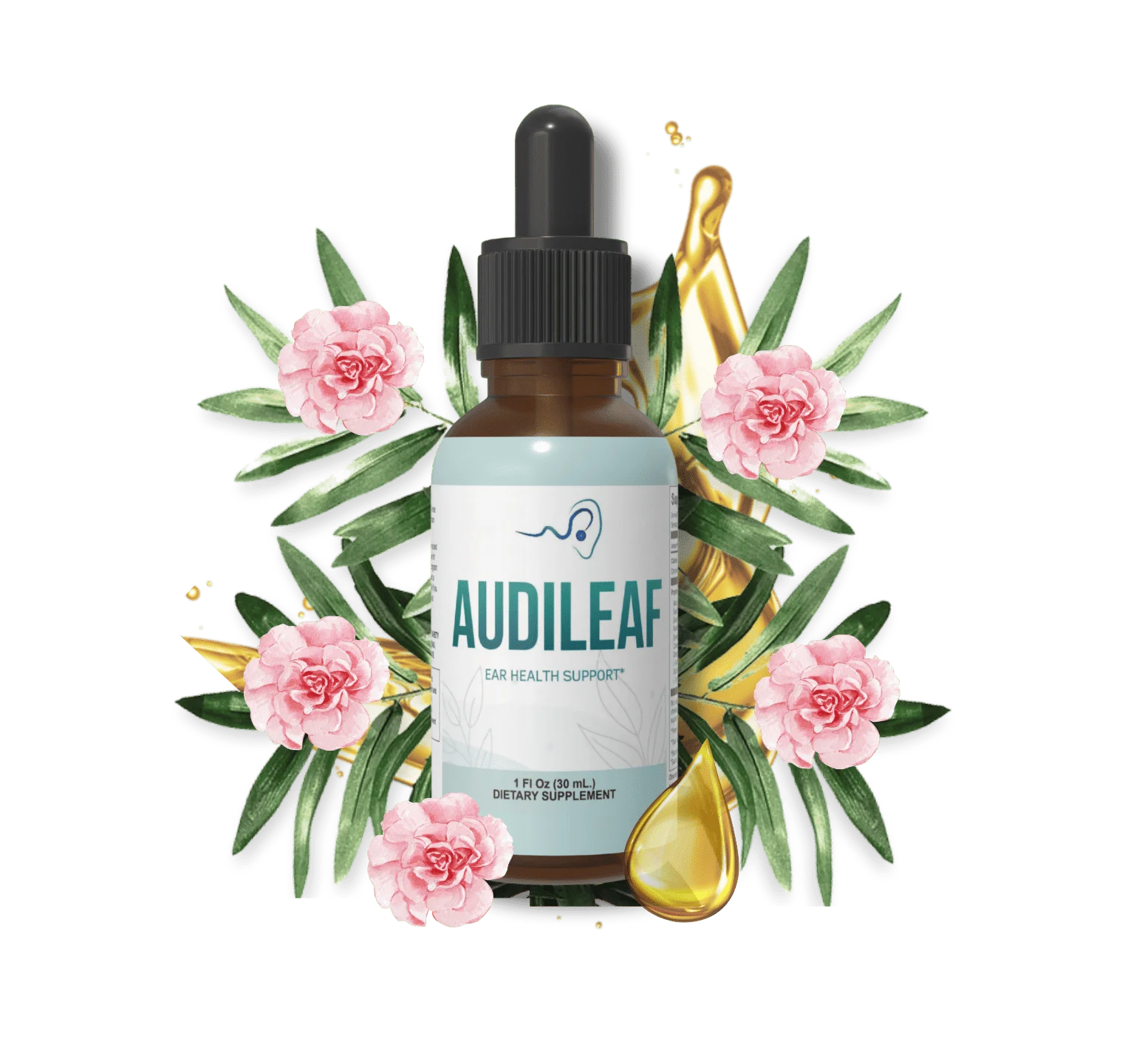
Finally, let’s take a moment to chat about natural hearing support drops like AudiLeaf. These drops are designed to incorporate various ingredients that may support your hearing health and overall ear wellness. Think of them as your natural ally in the fight for clear hearing.
What's intriguing is how the combination of different natural ingredients can work synergistically to boost auditory function. For instance, they may combine antioxidants, essential fatty acids, and herbal ingredients to give your ears the nutritional support they deserve.
If you're in Texas or Florida, considering a product like this can be a straightforward way to enhance your ear health without diving deep into complex supplements. It’s all about finding what works best for you.
In conclusion, AudiLeaf represents a modern approach to ear wellness rooted in natural ingredients, making it a compelling option for anyone looking to support their hearing health.
📖 return to protecting your hearing naturally: Protecting Your Hearing Naturally — What You Need to Know (2026) →
Key Takeaways
- Antioxidants, especially polyphenols, protect auditory cells from damage.
- Omega-3 fatty acids are vital for maintaining auditory function.
- Zinc plays a crucial role in cell regeneration and immunity for hearing health.
- Magnesium deficiency can lead to increased risk of hearing loss.
- B vitamins support optimal ear function and may prevent auditory issues.
References & Sources
- Polyphenols in Hearing Health — PubMed
- Omega-3 Fatty Acids and Hearing Loss — PubMed
- Zinc and Auditory Function — PubMed
- Magnesium Deficiency and Hearing Loss — PubMed
- B Vitamins and Hearing Health — PubMed
- Ginkgo Biloba and Hearing Support — PubMed
- N-Acetyl Cysteine in Ear Health — PubMed
- Hydration and Auditory Wellness — PubMed
Part of Our Complete Guide
Protecting Your Hearing Naturally — What You Need to Know (2026)Explore the full guide for everything you need to know →